27/03/2026
Powering Australia’s Digital Revolution Sustainably
AI drives increased energy consumption as renewables come to the fore
Australia’s digital infrastructure is expanding rapidly, driven by the growth of AI, cloud computing and digital services. As demand accelerates, energy systems are coming under increasing pressure to support this shift, placing power availability and efficiency at the centre of infrastructure planning.
The expansion of data centres is a key driver of this change. These facilities are highly energy intensive and are expected to significantly increase demand on Australia’s electricity grid. Data centres currently account for around 2% of national electricity consumption, but this is expected to rise quickly as larger hyperscale facilities are developed.
At the same time, Australia’s energy landscape is evolving. The national grid recorded its highest electricity demand on record in late 2025, while renewable energy contributed more than 50% of generation for the first time in a quarterly period. Demand continues to grow, increasing by approximately 2.2% year-on-year; driven by population growth, further electrification, data centres, and rising heating and cooling needs.
While generation of renewable energy continues to expand, coal and gas usage has declined; the pace of demand growth is creating new challenges. If renewable capacity does not keep up, the increased load from digital infrastructure may place additional pressure on the energy mix and slow progress toward emissions targets.
More broadly, demand is not only increasing but becoming more concentrated and dynamic. Traditional grid systems were not designed to support this level of intensity, creating a structural gap between energy supply, infrastructure capacity and future requirements.
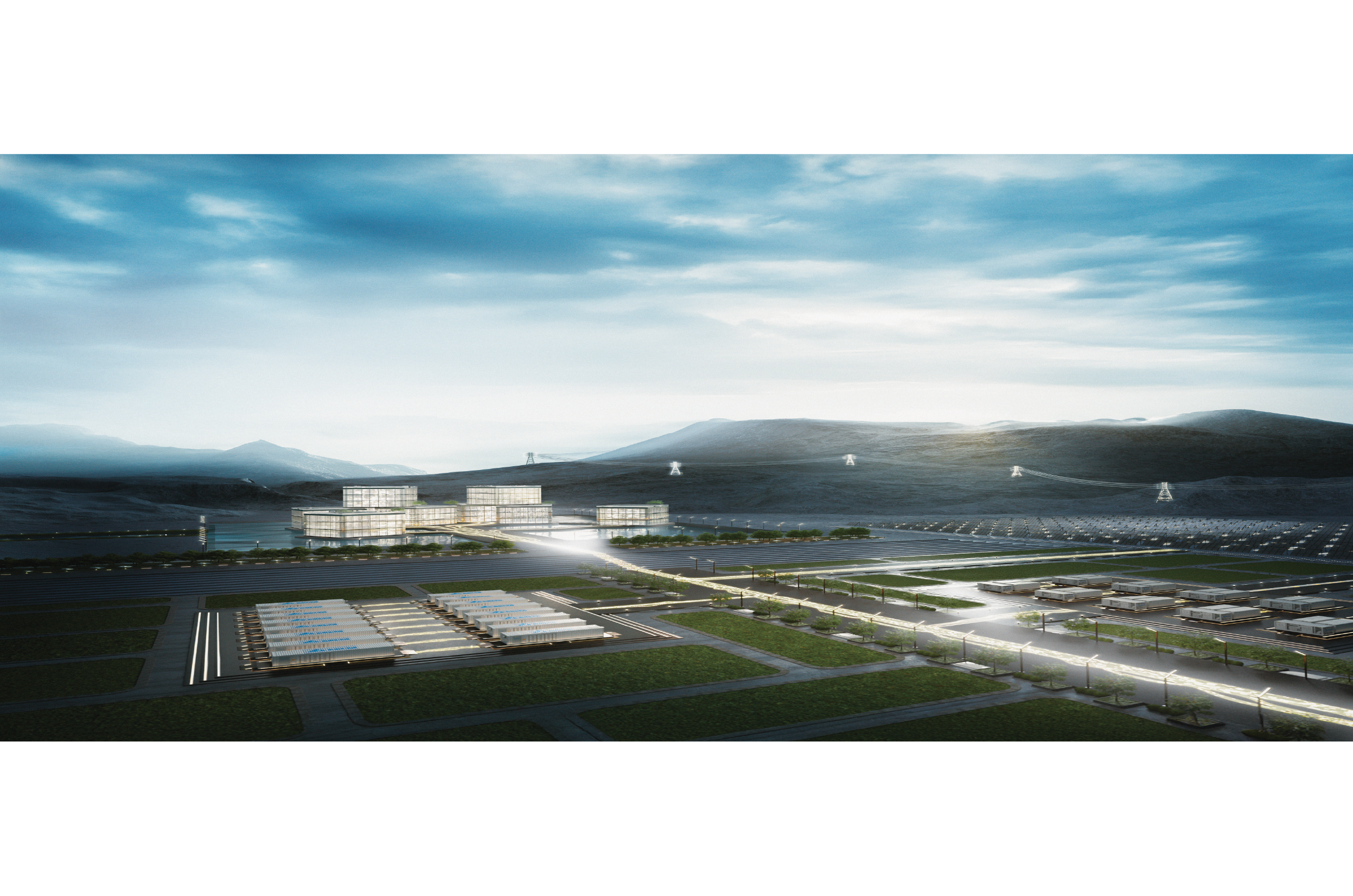
What does this mean for infrastructure partners?
Policymakers and industry groups are increasingly focused on how data centre growth impacts energy systems, pricing and sustainability. In some markets, this is already translating into measures such as requiring new data centres to secure their own renewable energy supply, a signal of potential regulatory direction for Australia.
Resource constraints are also becoming more visible. Water usage for cooling is emerging as a key consideration, with projected demand in Sydney reaching around 250 megalitres per day by 2035, and proposed hyperscale developments in Melbourne potentially exceeding the consumption of major commercial users.
For infrastructure partners, this shift is changing how projects are planned and delivered. Power availability, energy efficiency and cooling design are no longer secondary considerations; they are becoming critical factors influencing site selection, system architecture and long-term scalability.
As regulatory scrutiny increases across energy usage, emissions and water consumption, infrastructure solutions will need to balance performance, efficiency and sustainability in a more integrated and deliberate way.
Looking ahead
As demand for AI-driven services continues to grow, the expansion of data centre infrastructure will remain a key driver of energy consumption. However, future growth will increasingly depend on how efficiently these systems can be powered and managed.
The next phase of digital infrastructure development will be defined not only by scale, but by the ability to optimise energy usage, integrate renewable supply and improve overall system efficiency.
Supporting Infrastructure Development
As infrastructure demand continues to grow, the focus is shifting toward solutions that improve efficiency, scalability and system performance.
Key areas of focus include:
- Scalable power infrastructure
Supporting higher-density and evolving demand requirements
- Energy storage systems
Helping balance supply and manage peak demand
- Advanced cooling technologies
Improving energy efficiency and reducing overall system load
- Intelligent monitoring and control
Providing visibility across increasingly complex systems
These priorities are increasingly shaping how infrastructure systems are designed, deployed and managed across the industry. In our work with infrastructure partners, we are seeing a growing shift towards more integrated approaches; where power, cooling and energy management are designed together to improve overall system performance, efficiency and scalability.
👉 Explore how AI and sustainability are shaping infrastructure →
👉 Explore Delta solutions for AI infrastructure →
Further Reading:
Explainer: How will datacentres affect Australia’s power prices, water supply and emissions?
The Guardian
https://www.theguardian.com/environment/2026/mar/02/datacentres-australia-power-prices-water-supply-emissions
Australia hits power demand record as renewables pass 50pc milestone
ABC News
https://www.abc.net.au/news/2026-01-29/australia-hits-power-demand-record-as-renewables-pass-50pc/106280246
The Cure for AI Data Center [sic] Energy Use Is Competition, Not Pledges
Real Clear Energy
https://www.realclearenergy.org/articles/2026/03/10/the_cure_for_ai_data_center_energy_use_is_competition_not_pledges_1169634.html
Data Centre Infrastructure: Liquid and Air Cooling
Delta Electronics
https://www.deltaelectronics.com.au/en-AU/products/data-center-cooling/ALL/